
Don't lose what you spent the summer building.
In-season training isn't about getting stronger. It's about staying strong, staying fast, and being ready when it counts. Four programs. Every athlete gets tracked with VALD ForceDecks. Every session earns its place in the week.
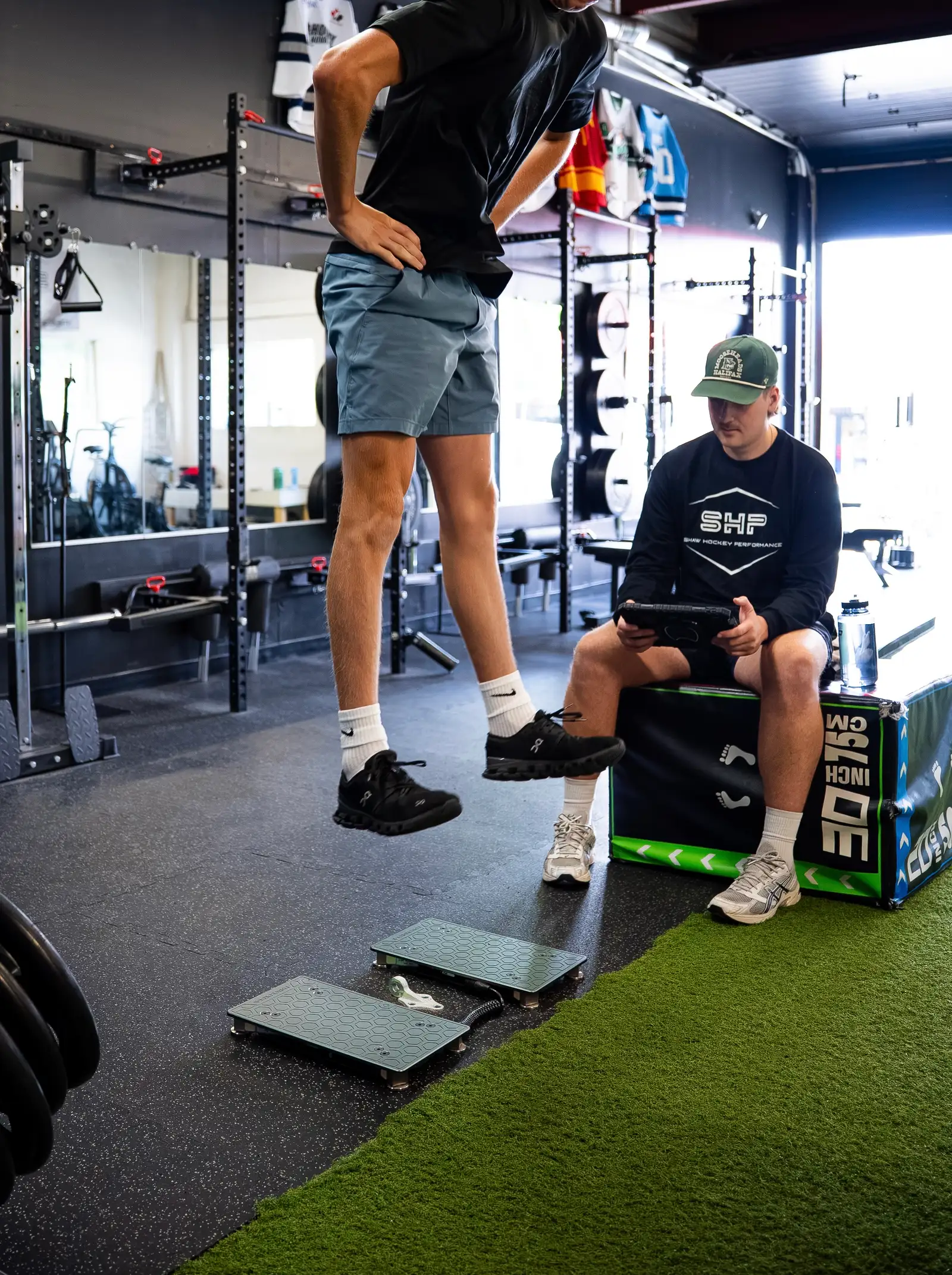
Every new athlete starts with a conversation.
Before recommending a program, we want to understand your athlete's schedule, goals, and where they're at in their development. Book a 15-minute consult and we'll walk through the right fit for this season. If it's a match, we'll get you enrolled from there.
Book your consult →Most players stop training when the season starts.
They think games and practices are enough. They're wrong. But the answer isn't to train the same way you did in July.
By December, athletes are skating heavy minutes on a body that hasn't lifted in eight weeks. By February, the small stuff starts breaking: a tweaked groin, a sore back, a slower second period. By March, the kid who was the strongest in his cohort in August is the slowest in his cohort at tryouts.
In-season training has one job. Maintain the physical qualities built in the off-season, manage fatigue so you can perform in games, and keep you healthy across a full season. That requires a completely different approach than off-season work.
Data-driven programming.
The biggest mistake in-season athletes make is training blind. They don't know if they're fresh or depleted. They push hard on days they should back off. They go through the motions on days they had capacity. Both are costly. Here's how we solve that.
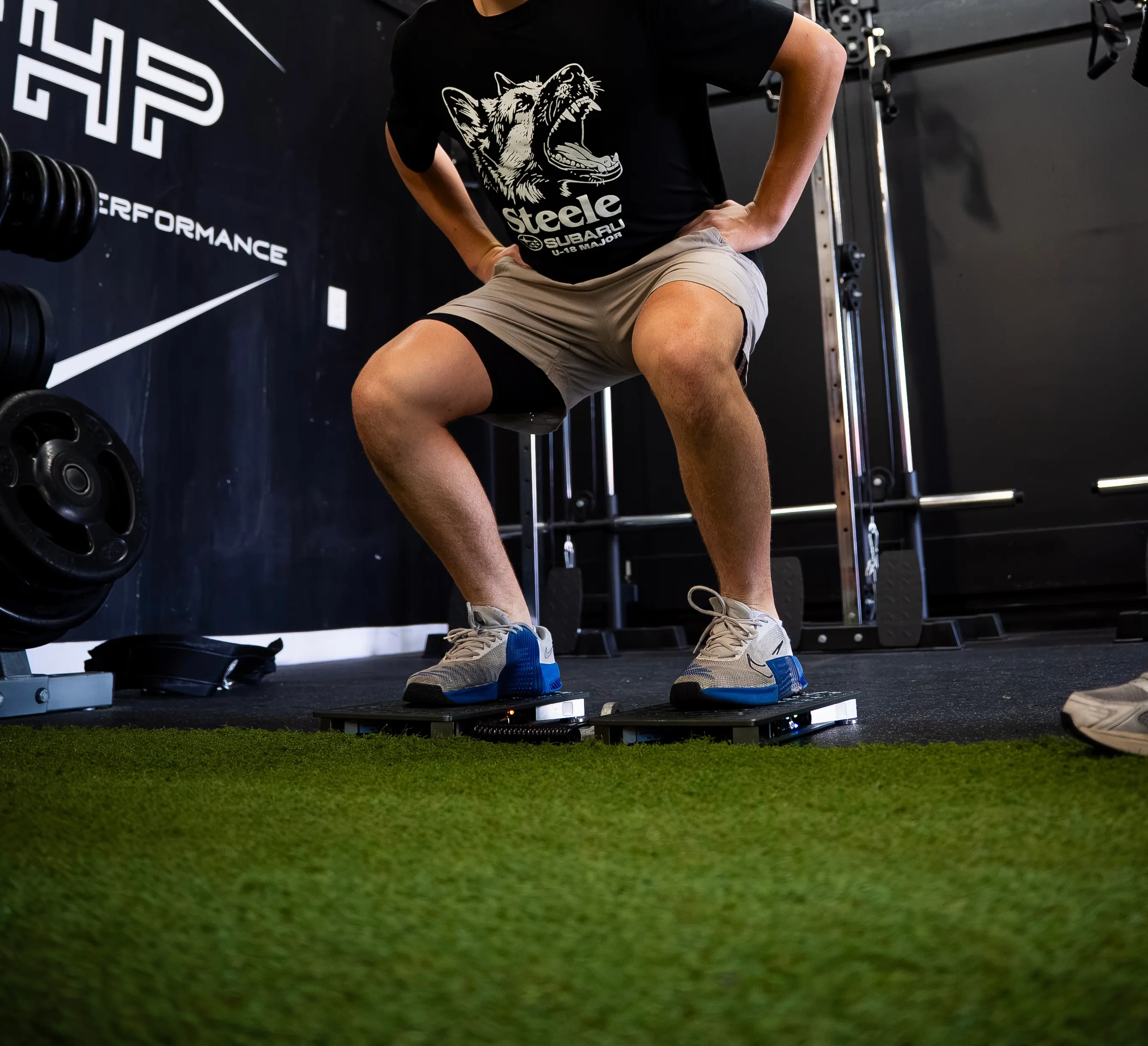
Weekly RSI-Mod Readiness Check
Every training week begins with a quick jump assessment. The RSI-mod data tells us what the athlete's nervous system is bringing to the week. High output means we can push. Low output means we manage. The nervous system doesn't lie.
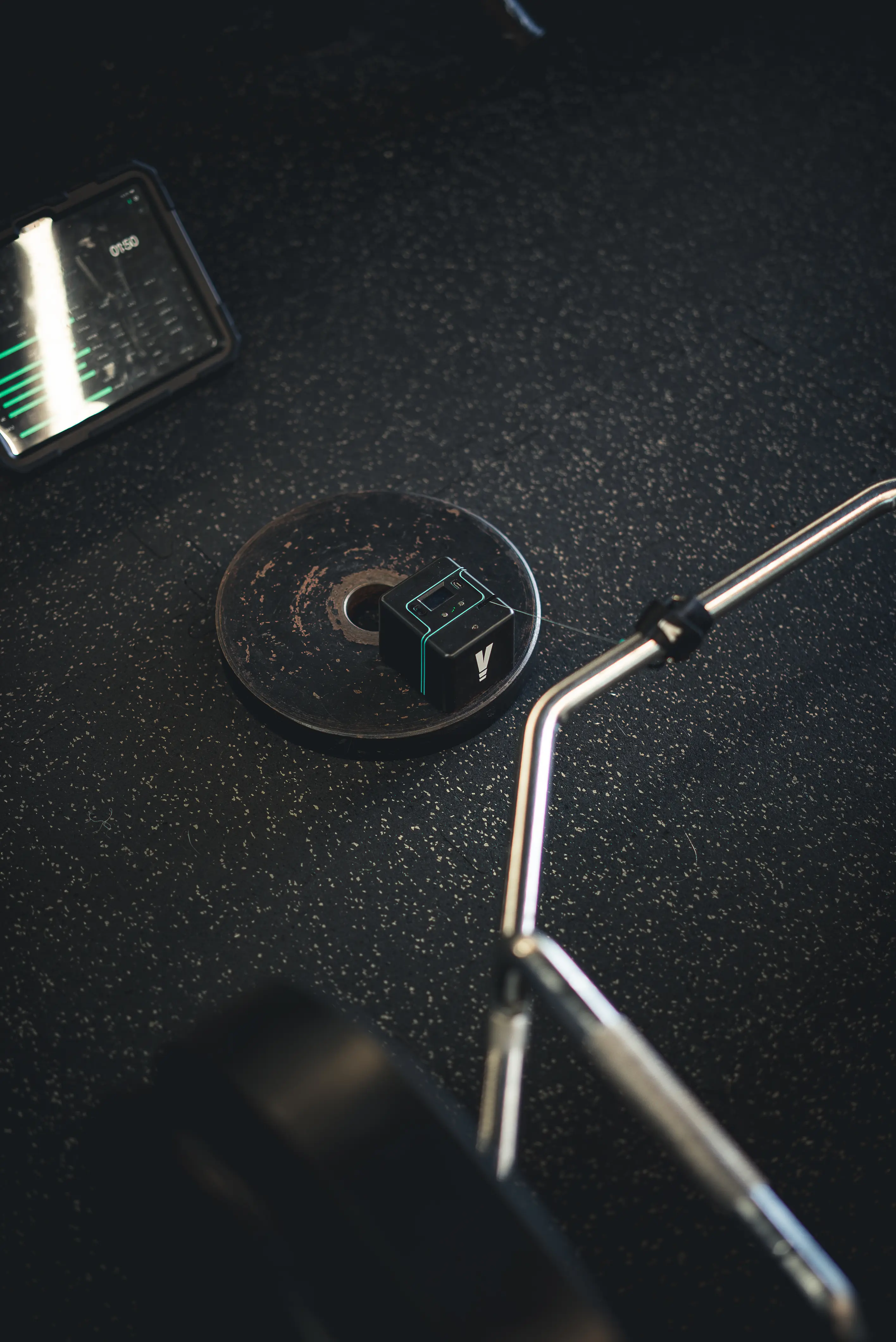
Velocity-Based Training for Advanced Athletes
Older athletes with a higher training age train to velocity targets. The bar tells the truth about whether that day's stimulus landed or fatigue is creeping in. Younger athletes stay on movement quality and fundamentals first. VBT layers in when the movement is ready for it.
Volume and Intensity Around the Game Schedule
Training days are fixed. Game schedules are not. So we don't shift training around games, we shift the training itself. Volume and intensity get dialed up or down based on game density, recovery status, and where the athlete is in their season.
Reduced Volume, Held Intensity
In-season programs are shorter and lower in volume than off-season work. By design. The goal isn't to accumulate more. It's to send the right signal to maintain strength and power while the body recovers from a full game schedule.
Coaches Who've Played the Game
Our coaches have played hockey at a high level. We know what a player feels like in February when their legs are gone. We know what camp pressure feels like. That perspective shapes every program we write and every conversation on the floor.
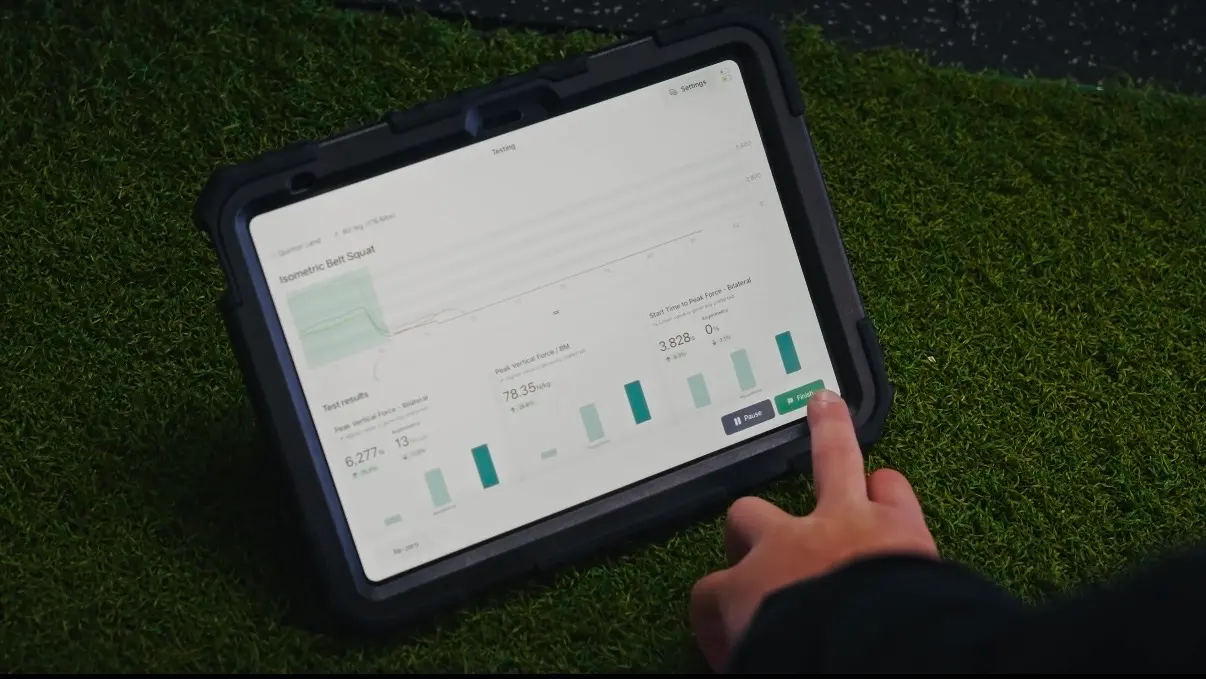
SHP Performance Portal
Every athlete has access to their testing scores and a personalized narrative that explains what those numbers mean for their training. No black-box workouts. Athletes see their data and understand what's actually driving their development.
Four programs. Pick the one that fits your athlete.
Same building, same coaches, same standards across every tier. The difference is the level of individualization, the coaching ratio, and how much of your athlete's in-season we're taking on.
Semi-Private 3x
- 3x/week semi-private training in a group of 6 athletes maximum
- Individualized programming written and adjusted specifically for your training age, position demands, and testing data - never a generic template
- Bi-monthly ForceDecks testing with a written report showing force output, asymmetry, jump quality, and change since baseline
- 15-minute virtual review with Coach Shaw after each testing block to walk through your numbers and adjust the program
- End-of-season assessment plus off-season roadmap so you know exactly what to attack in the summer
Semi-Private 2x
- 2x/week semi-private training in a group of 6 athletes maximum
- Individualized programming written and adjusted specifically for your training age, position demands, and testing data - never a generic template
- Bi-monthly ForceDecks testing with a written report showing force output, asymmetry, jump quality, and change since baseline
- 15-minute virtual review with Coach Shaw after each testing block to walk through your numbers and adjust the program
- End-of-season assessment plus off-season roadmap so you know exactly what to attack in the summer
Group 2x
- 2x/week training in groups of 9 max
- Structured periodized program built for in-season strength and power maintenance
- Volume and intensity adjusted around game schedule so training supports performance, not the other way around
- ForceDecks assessments at start, mid-season, and end to track progress
- Multiple time slots available across the week
Group 1x
- 1x/week training in group setting
- Focused on maintaining the strength and speed qualities you built in the off-season - protecting your investment through a full game schedule
- Injury prevention, recovery, and game readiness built into every session
- Right fit for heavy game weeks and players home for breaks. For strength or speed development, look at Group 2x or higher.
Players who refuse to let the season erode what they built.
The players who maintain their physical output through January and February, while others are declining, are the ones who trained smart. Not just hard.
We work with players from U13 through Junior and Pro. We also coach the strength and conditioning programs for two of the top teams in the U15 and U18 leagues in the region. If you have a season and you want to protect your off-season investment, this is for you.
- Season Dates
- October 2026 to March 2027
- Location
- 311 Rocky Lake Dr, Unit 1, Bedford, NS
- Ages Served
- U13 through Junior and Pro
- Enrollment Closes
- October 1, 2026 - Hard cap
- Testing Tech
- VALD ForceDecks - RSI-Mod - VBT
- Leagues Our Players Represent
- NS U18 Major - NS U15 Major - MHL - QMJHL
Straight answers.
If your question isn't here, reach out. Real responses, usually same day.
Common concern, and the instinct is right. Coaches don't want their players overworked. Our in-season program is built specifically to support in-season play, not compete with it. We manage load based on the game schedule, prioritize recovery and injury prevention, and adjust intensity around heavy game weeks.
If your team coach has concerns, we're happy to talk to them directly. Most of the team coaches we work with become some of our strongest referral sources once they understand how the program is structured.
Group is a structured periodized program run in cohorts of up to 9 athletes. Every athlete in the group follows the same program, with adjustments based on age, experience level, and game density. It's a strong product, and for most athletes, it's all they need.
Semi-private is for athletes who want individualization. Groups of 6 athletes, custom programs written per athlete, bi-monthly ForceDecks testing with full written reports, bi-monthly 1:1 reviews with the head coach following each test, and direct access for game-day questions. It's a different tier of attention, not just a higher price.
Standard for our athletes. For multi-week tournaments or international play, we customize the arrangement. Many of our semi-private athletes are away for stretches. We adjust their program and timeline accordingly and pick up where they left off when they return.
Yes. Every tier has a monthly payment option. Both options are covered during the consult and on the enrollment form.
Depends on the injury. For most in-season injuries, we adjust the program rather than pause. There's almost always something productive an athlete can train around an injury, and structured rehab work often gets them back to play faster than rest alone.
For serious injuries (surgical, multi-month layoff), we discuss options including credit toward the off-season program. Our goal is to keep your athlete progressing through recovery.
Full refund if you cancel within 7 days of starting. After that, we don't offer refunds. For serious injuries or major life events, we credit toward a future program instead.
Team strength and conditioning programs exist on a spectrum from excellent to nonexistent. Some teams have qualified coaches running structured programs. Many do generalized workouts that don't account for individual game schedules, training histories, or developmental priorities.
Our program runs alongside, not against, what an athlete is doing with their team. If their team has a strong setup, we coordinate. Sometimes that means dropping to maintenance. Sometimes that means complementing their team program with what's missing.
Ready to talk?
Enrollment closes October 1, 2026. Book a 15-minute consult and we'll figure out if SHP is the right fit for your athlete this season.